
- Key Takeaways
- Beyond the Outfit
- Pirate Archetypes
- Crafting Authenticity
- Festival Adaptation
- Sustainable Swag
- The Costume Code
- Conclusion
- Frequently Asked Questions
- What makes a pirate costume festival-ready?
- How can I create an authentic pirate look on a budget?
- Which pirate archetype should I pick for a festival?
- How do I adapt a pirate costume for different festival climates?
- What sustainable choices can I make for pirate swag?
- Are there safety rules for pirate costumes at festivals?
- How do I balance authenticity with festival practicality?
Key Takeaways
- Pirate costumes at festivals foster tight-knit communities through coordinated apparel and group activities that generate friendships and collective experiences.
- The costumes allow participants to play with identity and artistry by embodying tropes or creating personas, utilizing accessories and coordinated components to indicate membership or individual expression.
- This full immersion makes the festival experience more fun with period mannerisms, props and role-play that make the performances and conversations memorable and engaging.
- Realness and comfyness both count equally, so emphasize quality natural fabrics, spot-on details when appropriate, and handy modifications for weather and mobility to maximize longevity and leanness.
- Sustainable options such as upcycling, thrifting, and simple DIY keep costs down and waste down while still providing unique pirate styles that suit festival settings.
- Respect event policies and safety by steering clear of actual weapons or inflammatory symbols, anchoring props and loose components, and opting for non-toxic materials to ensure you and attendees stay safe and respected.
Pirate costumes at festivals are just pirate costumes. They include everything from bandanas and eye patches to coiffed coats, boots and venue-safety approved replica weapons. Festival goers pick styles for comfort, weather conditions and photo appeal, respecting local costume policies and the safety of materials. A lot of vendors provide metric-sized fits and breathable materials for extended usage. The bulk addresses styling, sourcing and rule compliance.
Beyond the Outfit
Festival pirate costumes do more than just transform an outfit. They form friendships, create characters, engage the senses, and inspire storytelling. Below are deep dives into how these components operate in the wild and what real world decisions, past and present, resonate for festival attendees.
1. Community
Such well-coordinated pirate outfits make group chores and games more obvious and appealing. When your crew has matching sashes or hat styles, it is easier to slide into scavenger hunts, staging skirmishes, or themed workshops without having to awkwardly explain. They swap advice on speedy fixes, weatherproofing layers and accessory suppliers, providing easy ice breakers that spark longer discussions. Inclusivity increases when producers and crews embrace different skill levels and ages. A kid in a bandanna can be just as much crew as an adult in a blazer. Over time, repeated festival meetups turn casual acquaintances into friends who share gear, share rides, and meet outside events. Simple acts like lending a pair of mitts to cover up tattoos or exchanging an extra petticoat transform into the little routines that foster faith and kinship.
2. Identity
Costume options allowed individuals to select characters that matched their comfort and panache, ranging from flamboyant captains in decorated coats to understated sailors in plain linen. These options allow wearers to experiment with new identities and break creative boundaries. A shy individual in the office can test out an audacious, performative persona at a festival. Archetypes, such as navigator, bosun, and quartermaster, or original characters provide social shorthand that lets others know how to relate. Coordinating components, like a signature color or emblem, strengthen group affiliation yet allow for personal flair. Practical issues matter. Stays that fit correctly change posture and presence, but good stays can cost between $350 and $700. Groups often share or rent for special events.
3. Immersion
The immersion gets even deeper when your clothes, props, and character behavior all line up. Props — maps, fake pistols or a shining cutlass — bolster believable scenes, but resist Hollywood clichés. Black eye patches, striped pants and feathered caps are more fictional than 18th Century. For a period touch, 18th Century jackets were shorter in length, caps were standard everyday wear, and straw Bergere hats were all the rage. Layers with white petticoats give silhouette and movement. Manners and talk, exercised sparingly and mindful of different audiences, enhance the ambience.
4. Storytelling
Quick backstory where the character sailed and what treasure they search for ignites conversation and collective play. Role-play sequences allow parties to stage conflicts, trades, or rescues that become event showstoppers. Telling a classic pirate yarn or making up a new journey attracts listeners. Document these moments in photos and posts. There’s something about pictures of matching crews and props that keeps the story going post-event.
5. Connection
Matching outfits strengthen connections between friends and family as preparing and dressing becomes a common activity. Networking with other fans results in club memberships, pattern exchanges, and even a more serious study of pirate lore and costuming. Online forums and local groups maintain the ideas between festivals and encourage superior and more thoughtful costuming.
Pirate Archetypes
Pirate archetypes give us an outline for festival costume, translating personality, history, and fashion into wearable semiotics that assist festival-goers in signaling persona and intent. From the theatrical captain to stripped-down modern riffs, these archetypes influence everything from fabric and cut to accessory selection and the narrative a costume communicates.
The Classic
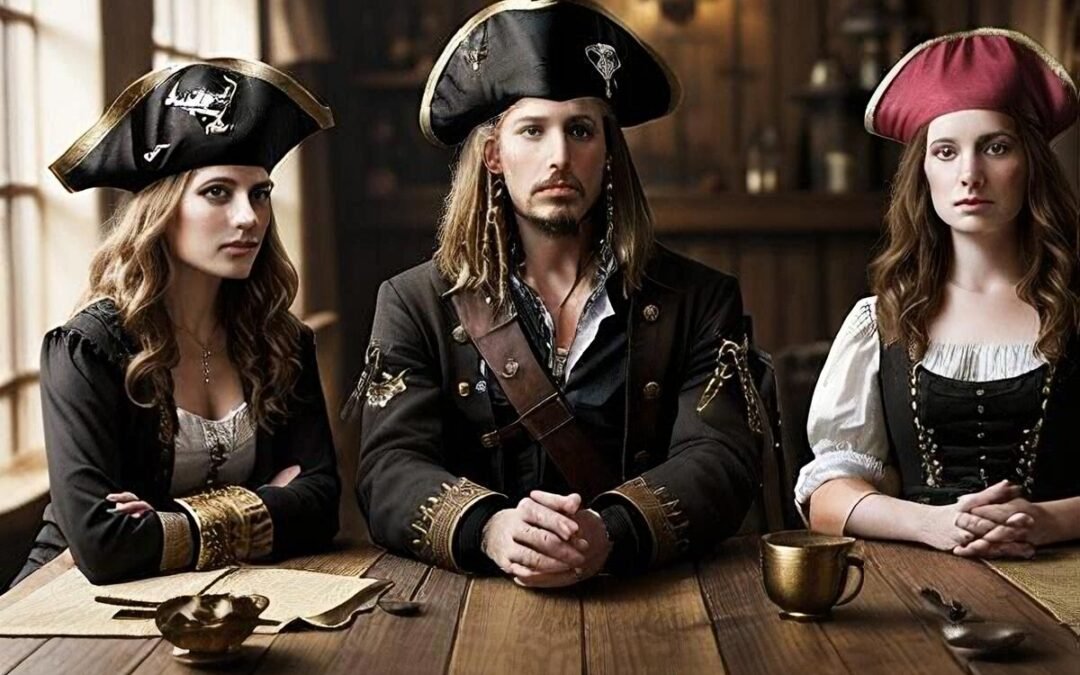
Iconic pirate ensembles focus around tricorn hats, frock coats, waist sashes and broad belts that create a distinct outline. Consider durable materials such as wool, heavy cotton and leather for coats and boots. Linen shirts bring texture and breathability beneath a coat. Eye patches, high-ankle leather boots and brass buckles imbue the classic imagery, while a long coat with contrasting lining winks to the likes of Blackbeard. This archetype represents leadership, swagger and a code of rebellion. Imagine Captain Hook’s flamboyant threat or Captain Jack Sparrow’s disorganized charisma. For festivals, maintain neutral color palettes such as black, brown and deep navy with one accent sash or cuff over as much detail as possible, which strikes a good balance between authenticity and crowd visibility.
The Fantastical
Fantasy pirate costumes enhance silhouette and detail with jewel-toned silks, layered skirts and dramatic capes. Textures combine velvet, lace and metallic trims. Mix and match pirate staples with faerie or gothic pieces, such as corsets with mechanical clockwork brooches or tulle underskirts with leather belts to form hybrids. Makeup and wigs transform the actor into a mythic figure with painted scars, metallic face paint and braided hair with beads. Jewelry goes ornate with circlets, oversized pendants and layered chains. This archetype embraces storybook play, giving wearers the chance to feel like a sorcerous renegade or a Dread Pirate Roberts-esque figure, part scarlet corsair and part heartthrob.
The Historical
Historical pirate wardrobes focus on period-appropriate garments: loose-cut linen shirts, broadcloth coats, waistcoats, and functional leather boots. Focus on naturally aging materials — untreated leather, hand-loomed cotton — and features like hand-stitched seams or riveted buttons for pièce de résistance. Include reputable props: period hats, reproduction cutlasses, and simple pistols, but ensure festival safety rules are met. This archetype highlights diversity within crews: merchant sailors turned privateers and real figures like Anne Bonny, whose presence challenges male-only stereotypes. The historical method demands scholarship and reverential depiction.
The Modern
Modern pirate looks adapt everyday clothes: fitted jeans, vests, simple boots, and graphic tees with skull motifs or nautical prints. Include quiet pirate signals—a sash, a wrist cuff, mirrored sunglasses—not head-to-toe period garb. This minimalist path resonates with younger festival attendees and urban environments, combining streetwear with nods to liberty and mutiny. It makes costumes breezy, functional, and suitcase-friendly yet still calls forth the brotherhood and crew allegiance of Treasure Island and all the modern adaptations.
Crafting Authenticity
Making a believable pirate outfit begins with a strong connection between historical accuracy and pragmatic festival requirements. Research makes decisions. Fabrics and workmanship determine robustness. Fit and layering control coziness. Little personality nuggets express style. Function is key as genuine seafarers toiled for hours on end and required garments that shifted with them and perspired in the warmth. The advice below addresses what to seek, what to purchase or construct, and how to combine authenticity with style.
Historical Research
Research paintings, period prints, seafaring journals, and museum collections to understand how working maritime garments contrasted with dress uniforms. Contrast imagery between late 17th and early 19th century sources in order to hone in on a particular period. Distinguish pirate, sailor, and naval officer dress: officers wore tailored coats, brass buttons, and epaulettes. Sailors had plain shirts and rope-reinforced trousers. Pirates commonly adapted both, mixing fine pieces with worn work clothes. Essential items to note include loose shirts with full sleeves, waistcoats, baggy breeches or trousers, and tricorne or slouch hats. Seek common weaves and colors, such as natural, undyed linens, faded wools, and the occasional dyed cottons in muted blues, browns, and reds. Research reveals functional details such as tiered tool belts and basic latches instead of decorative clasps. This corresponds to the role and personality of your pirate—raider, trader, privateer—guiding accessory selection and wear.
Material Choices
Choose natural fibers: linen for shirts, cotton for underlayers, wool for outer garments. These are breathable and keep you cool on those long days of outdoor festivals. Don’t wear shiny synthetics that glimmer and retain heat. They disrupt the visual magic and can be unpleasant. Put leather belts, boots, and hat bands in the linen closet. Thick leather outlives strain and ages beautifully. Consider weather and event length. Use lighter-weight linens for hot climates, medium-weight cottons for mild conditions, and layered wool for cool, damp settings. Construction matters. Double-stitched seams, reinforced stress points around belt loops, and sewn-in patches add years to the lifespan. Recycling dad’s old work shirts or trousers is economical and provides that naturally rumpled, ripped, and worn-in effect. Then just throw in some carefully placed fraying, staining, and patching to replicate genuine wear!
Creative Freedom
Personalize with accessories that tell a story: bandanas tucked beneath a hat, simple metal or bone earrings, canvas pouches, and multiple leather belts for tools. Feel free to intermingle garments of slightly different eras if the outline remains the same. A mid-18th waistcoat with a period-later shirt can read as believable if fabric and wear match up. Let fabric paint and tea stains age the pieces, distress edges and under-stitched patches for repair. Play with color pops and texture, such as woven sashes, knit scarves, or even a weathered map rolled in a leather tube, to differentiate yourself while maintaining the credible ensemble. Embrace practicality: pockets, ties, and loops should be functional, not just decorative, reflecting a life at sea.
Festival Adaptation
Festival adaptation of pirate garb takes a more environmental read of the event and a practical planning around weather, movement and time. Consider what the festival asks of you: crowd energy, length of attendance, and type of activities will shape fabric, fit, and accessory choices. After attending various festivals for 19 years, a pattern emerges: high-energy crowds favor light, mobile outfits. Calmer, themed gatherings invite more elaborate looks. Customize pieces so you’re able to layer on or off, transition between steampunk or space pirate, and remain cozy for those all-day affairs.
Weather
I can’t really address the camping aspect. Here’s how to prepare for rain in style – waterproof cloaks or quick-drying fabrics coated with a DWR that beads moisture. Pack a small, seam-sealed poncho that goes over your coat and folds into a tiny pouch. Festival Adaptation In hotter climates, opt for breathable cotton or linen blends, short sleeves under your vest, and wide-brim hats to provide shade from the strong midday sun. When the evenings cool, layer wool or flannel underneath your coats. A thin merino mid-layer is ideal because it traps heat without adding bulk. Pack a few extra scarves or hats or a light jacket in your daypack. Even in balmy climates, coastal or forested festival settings can dip a few degrees at night. Example: at a beach party, pirates keep a lightweight oilskin and a cotton bandana for sun and sudden showers.
Comfort
Choose loose shirts and baggy pants to accommodate those long walks, standing or dancing hours and choose soft-soled boots or suede counterparts that mold to the foot. Skip the tight corsets or heavy coats for highly kinetic events. A lot of festival goers prioritize comfort since costumes can be worn for hours at a time. Size it right for mobility. Do full-day wear tests at home to identify pressure points. Put padded insoles or cushioned socks in your pirate boots to avoid blisters during multi-day festivals. Note the anecdote of a lady leading yoga in costume. Flexible, gentle fabrics let you move while keeping the look intact.
Durability
Strong seams and good stitching are important when costumes encounter mud, mosh pits, and multiple wearings. Opt for double-stitched seams at stress points such as shoulders and crotch. Choose tough canvas, leather trims, or heavy twill where abrasion is anticipated and weigh weight against comfort. Check accessories—belts, buckles, sashes—for secure fastenings and swap out weak rivets pre-festival. Store costumes properly between festivals: hang coats, stuff boots, and keep metal bits oiled to avoid rust. Vendors adapt as well. Hand-made luxury pieces might not be selling at packed events, so consider durable, repairable festival-going staples that go the distance.
Sustainable Swag
Sustainable swag is all about selecting materials, methods and purchases that minimize waste and make festival pirate looks long-lasting and recyclable. It matters because conventional fashion, and fast fashion in particular, is a major user of water, energy and chemicals. Pivoting to second-hand, resilient fabrics and low-impact finishes lightens that burden and typically results in more unique styles.
Upcycling
Turn old shirts, curtains or tablecloths into pirate shirts, vests or skirts with quick snips and seams. Ragged hems and raw edges register genuine and conserve fabric. Throw in lace trims from thrifted doilies, sew on mismatched buttons or stitch on patches cut from denim for period feel with no new textile demand.
Up-scale those beat-up boots by cleaning, re-stitching loose soles, and using pieces of leather scraps as straps. Belts can be braided from old t-shirt strips or layered with discovered metal bits to appear vintage. Small metal washers or busted watch parts, when glued and sealed, make convincing fasteners.
Household items you can upcycle for pirate gear:
- Old scarves and ties repurposed as sashes or headwraps.
- Kitchen twine and rope used as rigging-style belts.
- Cardboard and papier-mâché from packaging create lightweight hat brims.
- Broken jewelry remade into brooches or hat pins.
- Leftover leather from bags turned into wrist cuffs.
Thrifting
Shop at thrift stores for affordable basics: white blouses, heavy coats, and worn boots form the backbone of a pirate outfit while keeping garments in circulation and out of landfills. Vintage coats and blouses tend to be more solidly constructed and cut in interesting ways. Combine them with new vegan leather handbags or biodegradable glitter and you’ve got a balanced, sustainable swag.
Combine thrift store treasure with a few mini new ones in hemp fabric for breathability and moisture wicking, which is great for those jam-packed festival crowds. Biodegradable glitter beats plastic glitter for face and costume accents.
Recommended thrift store items and descriptions:
| Item | Description |
|---|---|
| Heavy wool coat | Adds silhouette and warmth; often sturdy and long-lasting |
| White billow blouse | Classic pirate base; easy to distress for age |
| Leather boots | Durable base for walking; can be repaired rather than replaced |
| Assorted jewelry | Unique focal points; vintage pieces avoid new metal mining |
DIY
Some basic sewing skills afford you the ability to make sashes, bandanas, or waistcoats that actually fit and that save you from having to purchase mass-produced versions. Use watered-down fabric paint to add distressed effects and designs like maps or skulls. Construct swords or mini chests out of reclaimed wood and cardboard. Coat with non-toxic finishes.
Steps to craft a simple recycled leather wrist cuff:
- Measure wrist, slice a leather strip from an expired bag to length. Sand edges smooth.
- Punch holes for rivets or use heavy-duty thread to affix snap fasteners salvaged from thrifted shirts.
- Adorn with tiny metal pieces or imprints. Seal edges with beeswax or plant-based oil for longevity.
The Costume Code
A succinct code helps convert festival laws and common sense into a costume that suits the occasion, protects you, and respects others. Know the dress code before you go, then temper your style with sensible selections so your costume functions at the venue, the length of time you’ll be there, and anticipated crowds.
Event Rules
Read the complete festie dress code, with additions on props, allowed substances and behavior. Public pages, ticketing emails, and event FAQs will often list banned items. Save screenshots or print a copy.
No real weapons, toy guns that look too realistic or actual metal blades. A lot of places want props to be obviously toy or foam. Certain occasions require props to be checked at entry or have visible fluorescent tape to identify them as non-lethal. If the festival permits theatrical weapons, think PVC, EVA foam, or painted wood cut under any maximum length.
Adhere to size and bulk limits: oversized capes, large sails, or structures that extend beyond a 1.5 meter radius may be restricted for safety and sightline reasons. See face covering and masks rules, as some venues require ID to be visible. Make a checklist of approved fabrics, prop materials, size limits, and any certification the festival requests.
Safety
Opt for props constructed from soft, low-density materials such as foam core or lightweight plastics to minimize injury in compact crowds. Strike a balance between authenticity and flexibility. A collapsible wooden sword with a foam edge is more valuable than a bulky, inflexible replica.
Wrap loose belts, tassels, or long scarves with hidden snaps or sewn loops to prevent them from snagging on railings or fellow guests. Secure hats with an adjustable band or hidden clip so wind and motion don’t fling your tricorn into the audience.
Go for non-toxic, water-based face paints and try them on a patch of skin at least 24 hours in advance to check for any reactions. For layers, opt for breathable, hypoallergenic fabrics and in warm climates, choose moisture-wicking base layers. Make sure you pick shoes that can support long stretches of walking or standing. A boot with a low heel, great tread, and shock-absorbing insoles makes the costume sustainable for an entire day.
Respect
Beware of symbolic and cultural or historical motifs. Stay away from those that co-opt religious garb or use nationalist symbols as fashion statements. Avoid caricatured portrayals of racial or gendered stereotypes.
Get into character with personal space. Immersion acting is great, but have consent before you start headlocks or physical horseplay. Allow masks to be taken off or step aside for photos when requested, and listen to festival staff if anyone complains.
Celebrate pirate culture through research and varied references. Era-appropriate fabrics, multinational influences, and maritime trades give nuance. Design decisions that recognize the broad historical context deepen and honor your representation.
Conclusion
Pirate outfits at festivals mix play, artistry and attention. Choose solid boots, airy shirts and layered pieces that hold up to sun and rain. Include small, clever accessories like a distress map or leather satchel to convey a distinct narrative. Rely on local goods and thrift scores to reduce waste and save cash. Pair makeup and manner to pirate type so the role feels real. Think through crowd flow and weather so comfort stays high and fuss stays low. Try a mini repair kit and spare ties to patch rips quickly. Join a costume crew or gear swap to pick up new tips and split expenses. Let’s get started creating your look! Start with something important and build out from it.
Frequently Asked Questions
What makes a pirate costume festival-ready?
Opt for breathable layers, durable shoes and secure accessories. Aim for comfort, mobility and weather-appropriate fabrics so you can get around, dance and stay safe all day.
How can I create an authentic pirate look on a budget?
Employ thrifted shirts, scarves, and belts. Distress fabric with scissors and tea stains. Spring for one good item, such as a hat or boots, to really ground the look.
Which pirate archetype should I pick for a festival?
Pick the archetype that fits your vibe: swashbuckler (athletic), privateer (polished), or ragged buccaneer (gritty). Each directs costuming decisions and conduct at the festival.
How do I adapt a pirate costume for different festival climates?
Layer light fabrics for warmth and add outerwear that can be removed in cold or rain. Select moisture-wicking base layers and water-resistant footwear where necessary.
What sustainable choices can I make for pirate swag?
Purchase used, mend and upcycle. Opt for natural fibers. Skip single-use plastics and select reusable props or ethically crafted adornments.
Are there safety rules for pirate costumes at festivals?
Keep props soft or blunted, no large rigid weapons, and respect festival prop policies. Make sure they can see and move freely so they don’t bump into things.
How do I balance authenticity with festival practicality?
Focus on comfort and safety while maintaining period-specific details on exposed flesh. Blend some authenticity with contemporary comforts for an optimal experience.
Why Destin Is the Perfect Pirate Festival Destination
What makes Destin the perfect pirate festival destination is that it combines crystal emerald waters, expansive sandy beaches and a spirited festival atmosphere. The town puts on family-friendly events like pirate-themed parades, live music and local food stalls....

Famous Pirate Ports and Their Secrets
Key Takeaways 1. Port Royal, Jamaica 2. Tortuga, Haiti 3. Nassau, Bahamas 4. San Juan, Puerto Rico 5. Cartagena, Colombia 6. Charleston, South Carolina 7. St. Mary's, Maryland 8. Acapulco, Mexico 9. Plymouth, England 10. Madagascar's Pirate Coast Conclusion Frequently...
Guide: Blackbeard—Verified Biography Of Edward Teach
Introduction If you want the real story of Edward Teach, you have to accept an annoying truth up front: the verified biography is thin, the timeline is real, and the “Blackbeard” we picture, smoking fuses in his beard like some haunted volcano, is partly a marketing...